


 Help Center
No data to show
🚀 Promote Your Hustle
Whether you sell food, fix phones, or cut hair — Hafrik helps you grow. Free business pages now open!
Create PageQuick Links
Read More
Just as important as saying hello is knowing how to say goodbye. In Chinese, the most common phrase is 再见 (Zàijiàn), which literally means “see you again.” 👋 Common Ways to Say Goodbye 再见 (Zàijiàn) — Goodbye / See you again 拜拜 (Bàibài) — Bye-bye (casual, borrowed from English) 回头见 (Huítóu jiàn)...
Chinese Learning – Class 2: Numbers and Counting Numbers are everywhere in daily life. In Class 2, we’ll learn how to count in Chinese. 🔢 Basic Numbers (0–10) 零 (líng) 0, 一 (yī) 1, 二 (èr) 2, 三 (sān) 3, 四 (sì) 4, 五 (wǔ) 5, 六 (liù) 6, 七 (qī) 7, 八 (bā) 8, 九 (jiǔ) 9, 十 (shí) 10 📅 Useful Phrases 一个 (yí gè) – One...

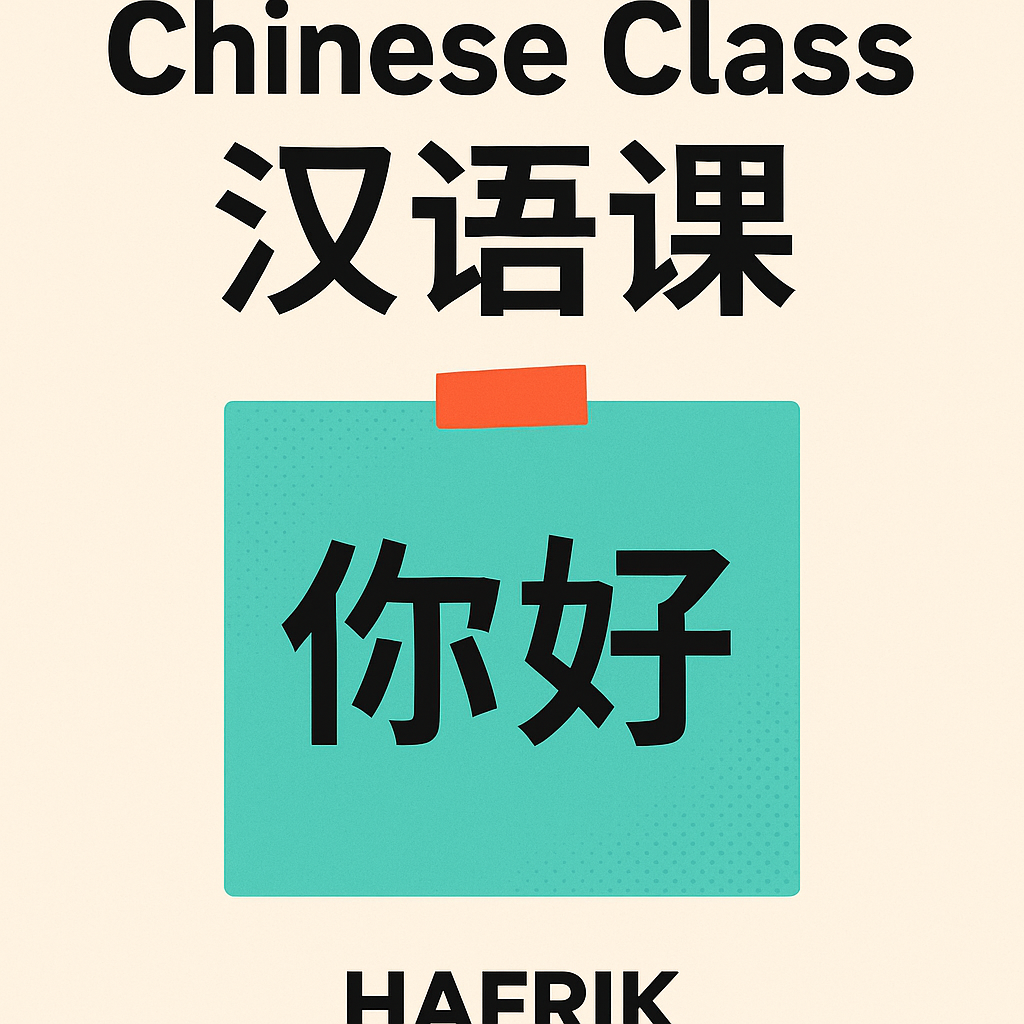
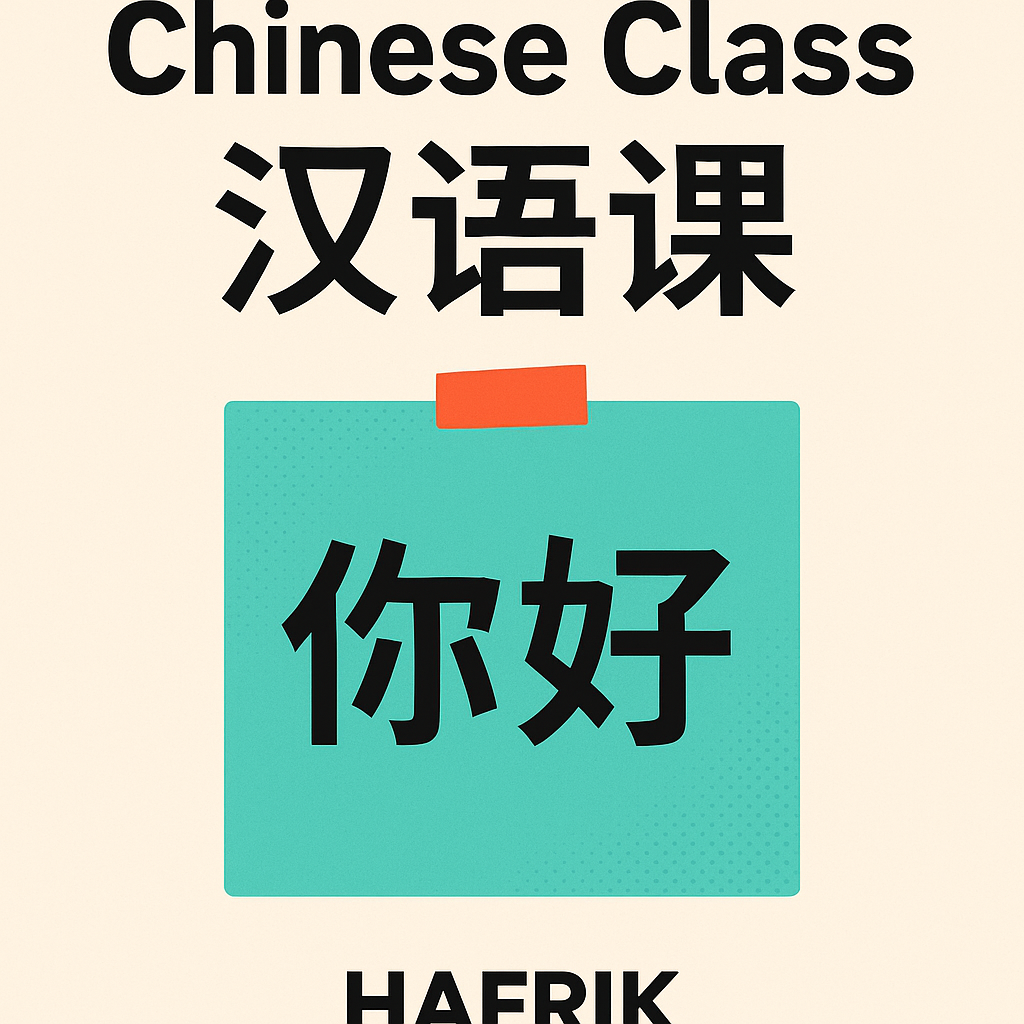
Chinese Class 101: How to Say Hello in Chinese Learning Chinese can feel challenging at first, but starting with simple and practical phrases makes it easier. One of the most important words you’ll use every day is “Hello”. Basic Greeting: 你好 (Nǐ hǎo) The most common way to say hello in Chinese is 你好, pronounced nǐ hǎo. - Nǐ means “you” - Hǎo means...
Ever booked a hotel in China, rolled in with your suitcase all excited, only to hear that dreaded line: “Sorry, we’re not qualified to accept foreigners”? Yeah… me too. Awful. It’s been repeated so often it might as well be part of the hotel’s welcome script when a foreigner walks in. And the reason they give? “According to the law…” Well,...

In other cities, midnight is a polite cough telling you it’s time to go home. In Shenzhen, it’s the moment the city leans in, winks, and says: “Sit down, this is where it gets interesting.” The malls roll down their shutters like a theatre ending its matinée show — and outside, the streets immediately start the late-night premiere, with a bigger cast, a...